How to Choose the Right Buggy for a Dubai Desert Adventure
Understanding What a Buggy Dubai Trip Involves
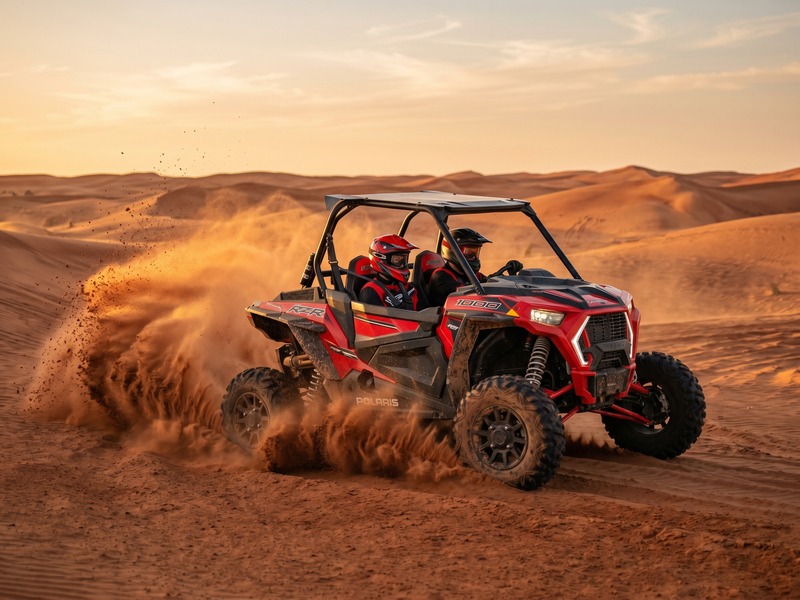
Driving a buggy across Dubai's sand dunes is a popular way to experience the desert. The vehicles are designed for off-road terrain, and the experience usually combines speed, manoeuvrability, and the striking landscape of rolling dunes. Before you book, it helps to understand the different types of buggies, the level of guidance typically provided, and what to look for in a tour. This article walks through the main considerations so you can pick a buggy that suits your comfort, skill, and expectations.
Step 1: Decide on the Type of Off-Road Vehicle
Not all buggies are the same. Some are built for two people, others for a single rider. The main distinction is between a standard dune buggy and a more powerful, high-performance model. A standard buggy usually has a roll cage, safety belts, and a simple steering system. It is ideal for first-timers because it feels stable and forgiving on moderate dunes. High-performance buggies have stronger engines, better suspension, and can handle steeper slopes at higher speed. They demand more experience, as the handling is sharper and the risk of tipping increases if you are not used to the terrain.
What to Watch
- Check the buggy's seating capacity. A two-seater lets you share the driving with a friend, while a single-seater gives you full control.
- Look at the roll cage design. A sturdy cage with proper padding around the bars offers better protection.
- Ask whether the buggy has a manual or automatic transmission. Automatic is easier for beginners, manual gives more control on steep dunes.
Step 2: Assess Your Experience Level
Honest self-assessment matters. If you have never driven an off-road vehicle before, a guided tour with a slow-paced group is safer than heading out alone. Many tours include a briefing and a practice run on flat terrain before you tackle the dunes. Experienced drivers might prefer a more challenging route with faster speeds and larger dunes. Some operators offer a choice between a leisure ride and an adrenaline-focused session. Be realistic about your ability; overconfidence can lead to accidents in soft sand.
What to Watch
- Ask the tour operator about the difficulty level of the route. Easy routes stick to low dunes and wide tracks. Hard routes include steep climbs and sharp descents.
- Check if a safety briefing is included. A good briefing covers how to brake on sand, how to steer out of a rut, and what to do if the buggy tips.
- Find out if a guide leads the group or if you follow a marked trail. A guide can adjust the pace to the group's skill.
Step 3: Check What Safety Gear Is Provided
A safety helmet is standard, but the quality and fit vary. A well-fitting helmet with a visor protects against dust and sun glare. Some tours also provide goggles, gloves, and padded suits. The buggy should have a working seatbelt or harness, and the roll cage should be free of sharp edges. Ask whether the vehicle has a fire extinguisher and a first-aid kit. It is also worth confirming that the tour operator inspects their buggies daily. A pre-ride check of tyre pressure, brake function, and steering response is a good sign.
What to Watch
- Make sure the helmet is clean and not cracked. A damaged helmet offers little protection.
- Check that the harness is adjustable and locks tight. A loose belt can let you slide forward during a sudden stop.
- Look at the buggy's tyres. Sand tyres have wider treads that prevent sinking. Normal tyres get stuck easily.
Step 4: Understand the Tour Format and Duration
Buggy tours range from a quick one-hour spin to a half-day excursion that includes stops for photos and refreshments. A shorter tour is fine if you just want to test the experience. A longer tour lets you explore deeper into the desert and see areas that are not accessible by car. Some tours combine dune bashing with a desert safari, which includes activities like camel rides or a barbecue dinner. Decide what matters most to you: pure driving time, or a broader desert experience.
What to Watch
- Read the itinerary carefully. Some tours advertise a two-hour buggy ride but include a long safety briefing and travel time to the dunes, leaving less actual driving.
- Check the group size. Small groups mean less dust and more personal attention. Large groups can feel rushed.
- Ask if the tour includes a guide on a separate vehicle or if the guide drives one of the buggies. A dedicated guide can assist if someone gets stuck.
Step 5: Consider the Terrain and Weather
Dubai's sand dunes vary from soft, powdery sand to harder, compacted surfaces. Soft sand is more challenging because the buggy can sink if you lose momentum. Hard sand is easier to drive on but less exciting. The time of year also matters. Summer temperatures can exceed 45°C, making midday rides uncomfortable and dangerous. Early morning or late afternoon tours are cooler and offer better light for photography. Winter months (November to March) are the most pleasant.
What to Watch
- Ask the operator which dunes they use. Some areas are reserved for experienced drivers, others are beginner-friendly.
- Check if the tour provides water and shade breaks. Dehydration is a real risk in the desert.
- Look at the forecast. High winds can reduce visibility and make driving hazardous.
Step 6: Compare Rental vs. Guided Tour Options
You can rent a buggy independently or join a guided tour. Renting gives you freedom to explore at your own pace, but you need to know the area, have a reliable vehicle, and handle any problems yourself. A guided tour includes a leader who knows the terrain, can help with recoveries, and often includes insurance. For most visitors, a guided tour is the safer and more convenient choice. If you rent, make sure the buggy is in good condition and that you have a map or GPS of the permitted areas.

What to Watch
- Check the rental agreement. Some operators charge for damage to the vehicle, even if it is not your fault. Understand the liability.
- Find out if the rental includes fuel. A full tank can last a couple of hours, but running out in the desert is a problem.
- Ask about recovery service. If the buggy breaks down, you need to know who to call and how long help takes.
Step 7: Look at Reviews and Operator Reputation
Online reviews can tell you a lot about the condition of the vehicles, the professionalism of the guides, and the quality of the experience. Look for recent reviews that mention vehicle maintenance, safety standards, and how the operator handled any issues. Avoid operators with multiple complaints about broken-down buggies or rude staff. It is also wise to check if the operator is licensed by the relevant Dubai tourism authority. A licensed operator follows safety regulations and carries proper insurance.
What to Watch
- Read reviews on multiple platforms. A single glowing review might be fake, but a pattern of similar feedback is reliable.
- Pay attention to comments about the guide's behaviour. A patient, knowledgeable guide can turn a mediocre ride into a great one.
- Check if the operator has a physical office or contact number. A legitimate business is easier to reach if something goes wrong.
Making Your Choice
After you have considered the type of buggy, your skill level, safety gear, tour length, terrain, and the operator's reputation, you can make an informed decision. The right buggy for you is the one that matches your comfort with the challenge you want. If you are unsure, start with a short guided tour on moderate dunes. That lets you test the experience without a big commitment. As you gain confidence, you can move to longer, more demanding rides. One local option is Buggy Adventure Dubai | ATV Quad Bike Tours & Desert Safari Dubai.

Buggy Adventure Dubai | ATV Quad Bike Tours & Desert Safari Dubai is located at Regalia Tower, Ground Floor Office No. 5 - Business Bay - Dubai - United Arab Emirates. If you choose them, it is worth confirming the details of their tours and any requirements directly with them.